Columbia drivers know the deal. One day your windshield is pristine, the next it has a crescent chip from a gravel truck on I‑26 or a long crack creeping in from the passenger side after a cold snap. Glass issues rarely wait for a convenient break in your calendar, and spending half a day in a waiting room is nobody’s idea of progress. That’s why mobile auto glass in Columbia has become the default choice for a lot of busy people, especially with solid contactless service and payment options now standard at many shops.
I’ve worked around vehicle glass for years in the Midlands and can tell you this: the best outcomes come from quick, informed decisions. Not every chip needs a full replacement, some cracks look worse than they are, and your insurance often covers more than you think. What follows is the playbook I wish every driver had, centered on how mobile service works, what contactless really means in practice, and how to navigate windshield repair or replacement without hassles.
What mobile auto glass really looks like in Columbia
Mobile service isn’t a courtesy shuttle or a valet. A technician shows up in a service van equipped like a compact auto glass shop, ready to do windshield chip repair, full windshield replacement, or side and rear car window repair in your driveway, office lot, or wherever your vehicle sits safely and legally. Columbia’s climate helps here. Short of a heavy downpour or lightning, most repairs and replacements go forward outside. When rain pops up, a portable canopy or parking garage usually solves it, though hail days are another story.
The technician measures damage, confirms the correct glass part number, checks sensors if you have ADAS features, and then fixes the issue on site. The trend has moved toward mobile for two reasons. First, time matters. Second, modern adhesives and calibration tools travel well. If you pick a reputable auto glass shop in Columbia, the workmanship you get at home is the same you’d get in a bay.
Contactless service, not just contactless payment
Contactless means more than tapping a card. Most auto glass services in Columbia now implement start‑to‑finish touch‑light protocols designed around three parts: communication, workflow, and payment.
- Communication: Quotes and scheduling happen by phone, text, or a secure form. You send photos of the crack or chip, the VIN, and any sensor features. The shop confirms the right glass and sets a window of arrival. You’ll receive technician tracking or a text when they’re on the way. Workflow: The tech arrives, verifies the vehicle and damage visually, and performs the job without entering the cabin unless necessary. Door handles and interior touch points get wiped before and after. Glass is pre‑staged, tools sanitized, and the only “signatures” are digital approvals you can complete from your phone. Payment: After the install or repair, your invoice lands by email or text. You pay using a secure link or a mobile wallet, often with stored insurance claim information if applicable. Paper receipts are optional.
It feels simple, and it is. Good shops spent the past few years refining these steps, so a cracked windshield in Columbia can be fixed without you setting foot in a lobby.
Repair or replace: the judgment call that saves money and time
The most common question I hear is whether to repair a chip or replace the entire windshield. Because it’s Columbia, we see a lot of small star breaks from road grit and long temperature‑stress cracks after cool nights. The technician’s decision leans on physics and standards more than guesswork.
Windshield chip repair in Columbia works best on chips up to a quarter in size with no major cracks radiating. A clean, recent chip in the driver’s line of sight can be repaired, but there’s a judgment call. Repairs leave a faint blemish, like a water spot, which may distract some drivers. If the chip has dirt or moisture embedded, it still might be fixable, but clarity drops.
Long cracks are trickier. Some shops can stabilize cracks up to 6 inches, sometimes a foot, but the repeatability isn’t guaranteed. If your windshield has modern sensors behind the glass or a heads‑up display, a repair that slightly distorts the optical path isn’t ideal. Windshield replacement in Columbia becomes the safer choice when a crack reaches the edge, when multiple chips cluster in the driver’s eye line, or when the laminated layers start delaminating. Replacements now integrate rain sensors, lane cameras, solar coatings, and acoustic interlayers, so a technician will match your specific features. Sending your VIN up front speeds that process.
A quick rule of thumb I give friends: if you can cover the damage with a quarter and you caught it within a week, push for repair. If the crack touches an edge, spreads across the driver’s field, or looks like a long lightning bolt, prepare for replacement.
What a quality repair or replacement looks like on site
A well‑run mobile call has a rhythm. The tech greets you, confirms the vehicle, and inspects the damage. For a windshield chip repair, they’ll vacuum out glass dust, inject resin under UV light, then polish. It takes 20 to 40 minutes. The spot clears significantly, though it doesn’t vanish. Most insurance in South Carolina covers chip repairs with little or no deductible, since repairs prevent more expensive replacements.
A windshield replacement takes longer, usually 60 to 120 minutes depending on the vehicle. The tech will protect the paint and dash, cut the old urethane, lift the glass with suction cups, prep and prime the pinch weld, and bond the new windshield with a high‑modulus urethane adhesive. The safe drive‑away time is real. With quality urethane and typical Midlands humidity, one to two hours is common. Your technician will set expectations based on the adhesive’s cure curve. If you hear two hours, don’t push it to twenty minutes just because you’re late for a meeting. Airbags, roof integrity, and camera alignment all depend on a proper cure.
For cars with ADAS features like forward collision warning or lane keep assist, calibration follows. Many late‑model vehicles require static calibration with targets or dynamic calibration on a prescribed drive cycle, sometimes both. Columbia’s mobile techs often run dynamic calibration on suitable routes, then verify zero fault codes. If static calibration is required, some shops bring portable targets. Others may ask you to stop by a calibration bay, though several can stage targets curbside if the area is flat and well lit. It’s worth asking up front how your model is calibrated. Driving without proper calibration can skew lane detection or braking thresholds.
Side and rear windows bring different considerations. Car window repair for side glass rarely means chip repair because most side windows are tempered and shatter instead of crack. Replacement is straightforward but can involve vacuuming shards from door cavities and seats. Back glass can take an hour or two, especially if your vehicle has embedded antennas or defroster grids that need careful handling.
Insurance in South Carolina: how claims actually work
South Carolina drivers often carry comprehensive coverage that includes glass. Windshield repair in Columbia usually falls under comprehensive and may be deductible‑free, depending on your policy. Replacements sometimes carry a deductible unless you purchased full glass coverage. It is not universal, so verify your details before you assume.
There are two paths. You can file through your insurer’s glass claims line and they assign the job to a network shop, or you can choose an auto glass shop in Columbia directly and have them bill the insurer. The second option doesn’t hurt your claim standing in most cases, and reputable shops are plugged into major networks anyway. If the shop needs to pre‑authorize, they handle that call with you on the line or with your reference number from a quick web claim you submit in advance.
Be wary of anyone promising cash kickbacks for choosing them. That kind of steering can get you poor materials or a rushed job. Focus on OEM or high‑quality aftermarket glass, solid urethane brands, and documented calibration.
The material details that separate good from great
Two jobs can look identical at first glance and age very differently. That comes down to materials, prep, and calibration.
Adhesives matter. High‑modulus, non‑conductive urethane with proper primers bonds better and reduces corrosion risk. In the Midlands, summer heat challenges cheap urethane, making a poor bond creep and squeak. I’ve seen wind noise go from tolerable to maddening by August because a shop cut corners on bead size or skipped pinch weld primer.
Glass clarity also varies. OEM glass generally matches factory tint, acoustic lamination, and camera brackets perfectly. High‑quality aftermarket glass can be excellent, but it must be the right spec. If you have a heated wiper park area or infrared coating for cabin heat rejection, confirm you’re getting an equivalent. The cost difference might be a hundred dollars or more, but visibility and camera function depend on it.
Thorough prep prevents rust. Columbia sees enough humidity and pollen that pinch welds need to be spotless. Any scrape to the paint requires primer. When this step gets rushed, rust can creep under the urethane. Years later, you’ll see bubbling near the edges of the windshield. That’s a top ten reason for leaks.
How contactless payment fits into the workflow
After the technician finishes and you finish a brief visual check, you’ll receive an invoice by text or email. Secure links accept major credit cards, ACH, and mobile wallets. Many shops use tokenized payments through providers that are PCI compliant. You can store a card for later if you manage a small fleet or handle work for a dealership. If insurance covers the repair, you might see a zero‑balance invoice for your records and no card entry at all. Deductibles can be paid through the same link.
The nice thing about this system is transparency. You see line items: glass part number, moldings or clips, adhesive kit, calibration, mobile fee if any, taxes. If something looks off, reply to the invoice message and request clarification before you pay. A reputable shop welcomes that conversation and corrects errors quickly.
What to do from the moment you notice damage
Columbia’s roads are a mix of smooth interstate and construction patches that kick up debris. The first minutes and hours after a chip matter more than most people realize. A chip that stays clean and dry repairs noticeably better. If you see the impact happen, pull into a shady spot and apply clear tape over the chip. Not duct tape or packing tape with fibers, just clean, clear tape. That keeps out water and fine dust. Avoid car washes and high‑pressure hoses until a technician repairs it.
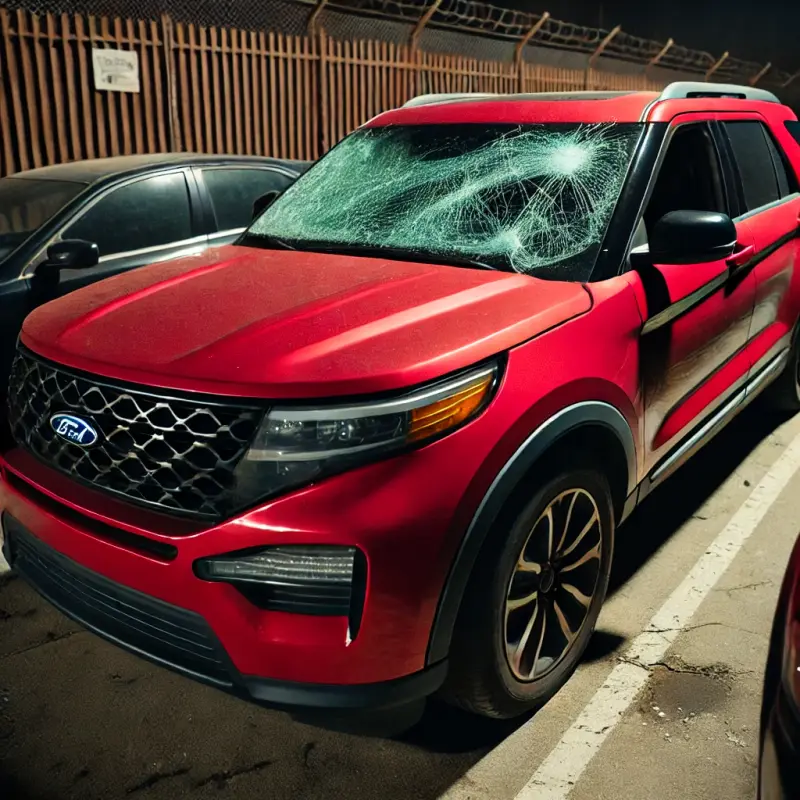
Park out of direct sun. Heat expands the glass, and that little star can jump into a long crack after a hot lunch. Try not to slam doors or crank up the AC full blast right away. Pressure and sudden temperature swings are the two crack accelerators I see the most.
If you already have a crack, the tape trick won’t solve it, but it does keep out dirt. Take a few clear photos in daylight, include a coin for scale, and note whether the crack touches an edge. Send those to your chosen shop or attach them to an online form. With good photos and a VIN, a scheduler can often confirm repair vs replace and line up the correct glass without a second call.
What mobile service looks like on a typical Columbia day
Let me paint a real scenario. A nurse at Prisma sees a coin‑sized star break on her Camry after the morning shift. She texts a photo and the VIN to a mobile auto glass Columbia shop before noon. They reply by one, confirm it’s repairable, and book a 3 to 5 p.m. slot in the hospital garage. At 3:30 the tech arrives, sets out cones behind the car, and performs a resin repair in 25 minutes. The nurse signs a digital acceptance, pays nothing out of pocket because her comprehensive covers chip repair, and receives a paid invoice by email. She drives home without waiting. That’s the rhythm you want.
Another example, an HVAC contractor based near Devine Street calls about a long crack on an F‑150 with lane cameras. The crack reaches the A‑pillar, so the scheduler sets a morning replacement at the jobsite with follow‑up dynamic calibration on nearby surface roads. The tech installs the glass, waits the specified cure time, runs calibration on a 12‑mile loop at steady speeds with lane lines, confirms no ADAS codes, and emails a calibration report. The contractor pays the deductible via link and the insurer handles the rest. The truck is on the road before lunch.
Why an auto glass shop in Columbia is often better than a national call center
There are good national networks, but local expertise counts for more than marketing gloss. Columbia’s pollen season, pothole patterns, and the sheer number of vehicles with cameras on the road change the calculus. You want a shop that understands SC claims workflows, keeps common windshields in stock for popular models in the Midlands, and knows which parking garages are friendly to mobile setups. A technician who can spot a tricky pinch weld, source a hard‑to‑find molding same day, and wrangle a static calibration target in a flat shaded lot is worth more than a coupon.
If you manage a small fleet, ask about service‑level agreements. Many auto glass services in Columbia offer early morning arrival windows before your trucks roll out, consolidated monthly invoices, and VIN tagging so future glass orders are instant.
Common pitfalls and how to avoid them
Gaps around cowl or trim: Moldings crack during removal. A good tech brings replacements and reattaches clips correctly. Cheap double‑sided tape hacks cause wind noise.
Skipping calibration: If your car had forward collision warning before, it should have it after. If a shop says calibration isn’t necessary for your model when the manufacturer says otherwise, that’s a red flag.
Using household cleaners on fresh urethane: Ammonia near the bond line during the first day can degrade the seal. Use a damp microfiber on the interior and keep the chemical cocktails away until the urethane fully cures.
Driving immediately after install: The safe drive‑away time exists for a reason. If the shop says 90 minutes, give it 90.
Forgetting to replace the cabin air filter after a messy break: When a rear or side window shatters, a surprising amount of glass dust circulates. If your filter is cheap and accessible, swapping it helps air quality.
Costs you can expect and where they come from
Prices vary with glass type, features, and availability. A straightforward windshield repair in Columbia often lands between 80 and 140 dollars cash, though most insured drivers pay nothing. Windshield replacement ranges widely, roughly 300 to 1,000 dollars or more, depending on OEM vs aftermarket, acoustic lamination, HUD, rain sensors, and camera brackets. Many late‑model SUVs with advanced packages push to the higher end. Side and rear glass often fall between 200 and 600 dollars, again depending on tint, defrost, and embedded antenna lines. Calibration can add 100 to 300 dollars, sometimes more for complex static setups. If those numbers surprise you, remember that modern glass is a structural and electronic component now, not just a clear pane.
The rhythm after the repair: what to expect in the next 48 hours
Resin repairs cure immediately under UV, so you can drive right away. If you spot a tiny bubble or a faint line, that’s typical. Most shops offer a lifetime warranty against the repaired spot spreading, which means they’ll credit the repair toward a replacement if it fails.
For replacements, leave the retention tape applied along the edges for a day if the tech used it. Keep windows cracked a finger width for the ride home to balance pressure. Avoid car washes for 24 to 48 hours. If you hear wind noise after a couple of highway runs, call the shop. A small gap can often be corrected with a trim adjustment. Note any water leak with a short phone video and the time stamp. The more specific you are, the faster the fix.
When mobile isn’t ideal
There are windshield calibration Columbia SC a few edge cases. Severe rust around the pinch weld requires bodywork and paint before glass can bond reliably. That’s bay work, not driveway work. Complex static calibrations needing precise lighting and distances can push the job into a shop setup, though some mobile teams handle them with portable rigs if the site allows. Heavy rain with wind can force a reschedule, because moisture compromises primer and urethane. A reputable shop won’t risk it.
How to choose the right provider without drama
You don’t need a six‑point spreadsheet, but a few quick checks cut through the noise.
- Ask whether they can handle ADAS calibration for your model and whether it’s static, dynamic, or both. Listen for specifics, not vagueness. Request the glass brand and whether it’s OEM or equivalent. If you have HUD, acoustic, or solar coatings, confirm those features. Verify safe drive‑away times and whether they use high‑modulus, non‑conductive urethane with proper primers. Confirm mobile service area, arrival window, and whether they bring a canopy if light rain is expected. Ask about digital quotes, photo uploads, and contactless payment options. If they hesitate, they’re not built for low‑friction service.
The Columbia context: what local driving conditions mean for your glass
Interstates 20, 26, and 77 funnel truck traffic through the city, which means more road debris. Summer heat bakes the glass, and afternoon storms cool it quickly, a thermal swing that stresses existing chips. Tree pollen coats everything from March into May, and a tacky film on glass edges isn’t your friend when bonding. Downtown garages like those near Main and Assembly offer shade for mobile work, but height and ventilation vary. If you know your garage has low clearance, give the shop a heads‑up so they send the right vehicle.
Football weekends bring packed lots and heightened risk of tailgate dings. If you’re planning a replacement on a Saturday in the fall, book early. If you store a vehicle outside near Lake Murray, consider a long, clear windshield strip at the top to shield early chips in the driver’s view and make sun glare more manageable. It’s a small add that helps.
A practical way to keep minor issues from becoming major ones
You can’t dodge every flying pebble, but you can stop small problems from snowballing. Keep a small square of clear tape in your glove box for chip protection. Snap photos with a coin for scale. Save the VIN as a contact note in your phone so quoting is quick. If you drive a car with a forward‑facing camera, note the exact ADAS package name from your window sticker or infotainment system. When a scheduler asks whether you have lane keep assist or just lane departure warning, you’ll have the answer without guesswork.
When you do need help, aim for a reputable auto glass shop in Columbia that speaks plainly about materials, calibration, and contactless service. Mobile auto glass Columbia teams are built to make this a low‑drama errand, not a half‑day saga. With the right partner, a cracked windshield in Columbia is a brief pause in your week, not a crisis, and you’ll be back on the road with clear visibility and the safety systems you paid for functioning exactly as they should.